Synthetic turf in the Houston Ship Channel corridor needs different maintenance than turf in suburban Houston. The industrial fallout, coastal humidity, Beaumont clay subgrade movement, and Houston's extreme rainfall events create specific maintenance and repair scenarios that don't come up in Katy or Sugar Land but are routine in Deer Park, Channelview, and Baytown.
The most common maintenance issue we address on Ship Channel corridor properties is particulate accumulation. Industrial fallout from the refinery and chemical plant complex deposits on blade surfaces and, over time, works down into the base of the blade fiber. A garden hose rinse-down handles fresh accumulation. Accumulated compacted particulate — the kind that builds up when a property hasn't been rinsed in 6 to 12 months — requires a combination of power washing, power brushing, and in some cases infill replacement where the particulate has contaminated the infill layer. We assess the accumulation severity before quoting the cleaning scope so you know what the job involves.
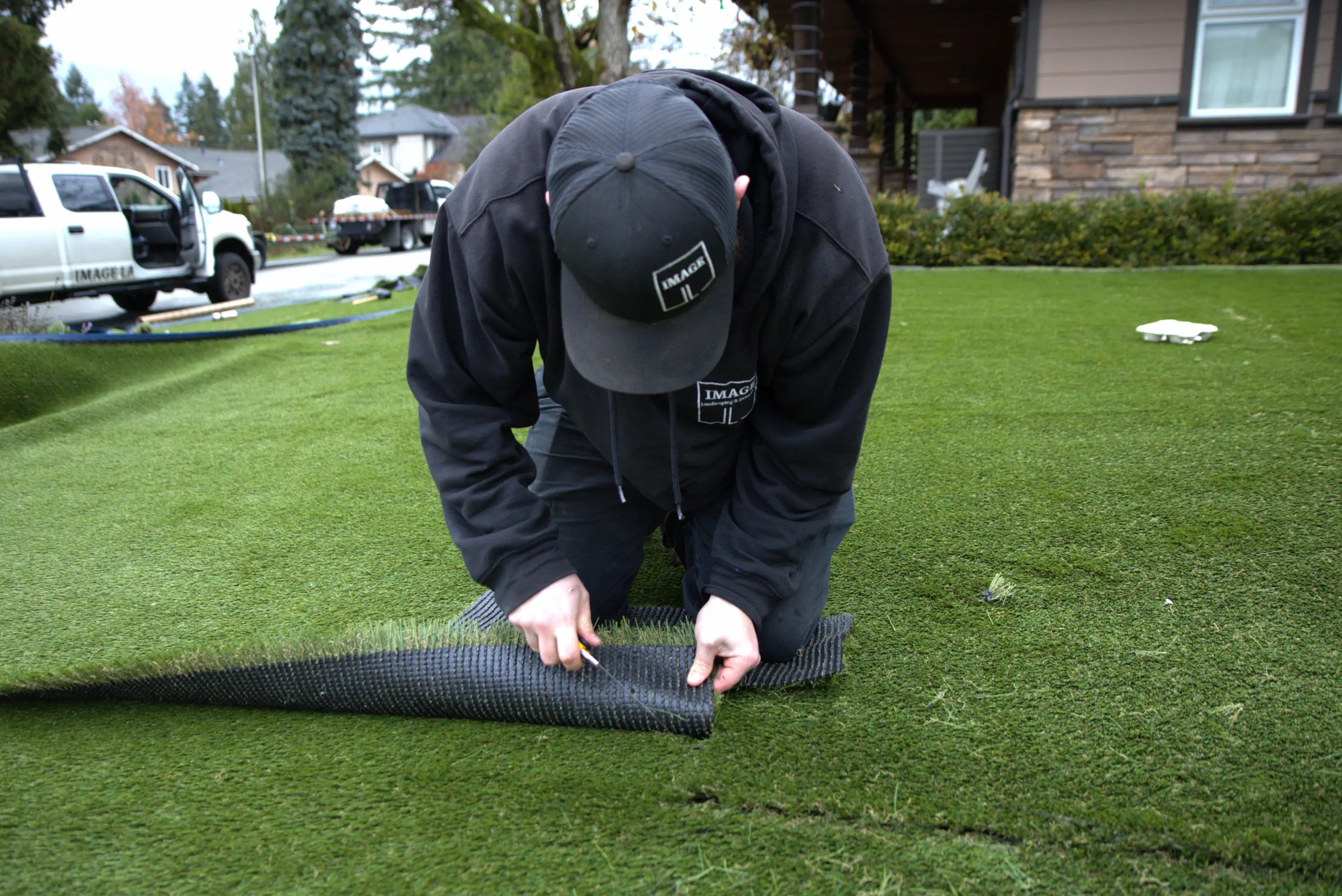
Seam repair is the second most common repair call in this corridor. Beaumont clay subgrade movement opens seams over time on installs where the base preparation wasn't adequate for the soil conditions. We see this most often on installs done by contractors who didn't excavate to sufficient depth or didn't compact the base adequately. The seam repair process depends on the severity of the subgrade movement — minor seam separation can be repaired by re-securing the seam adhesive; major separation caused by subgrade heave requires base correction before the seam can be properly repaired. We're direct with you about which situation you have and what the repair actually involves.
Drainage system maintenance and restoration is a specific need for flood zone properties in Channelview, La Porte, Baytown, and other low-elevation areas. After a significant flooding event, drainage infrastructure should be inspected and cleaned to verify function before the next storm season. We do post-flood drainage inspections and restoration services.
Infill restoration addresses the migration and compaction of infill that occurs over time under heavy traffic loads. High-traffic pet zones, backyard athletic areas, and commercial pedestrian areas all experience infill loss from the surface through normal use. Infill replenishment restores the cushioning, drainage, and blade-support characteristics of the original installation.