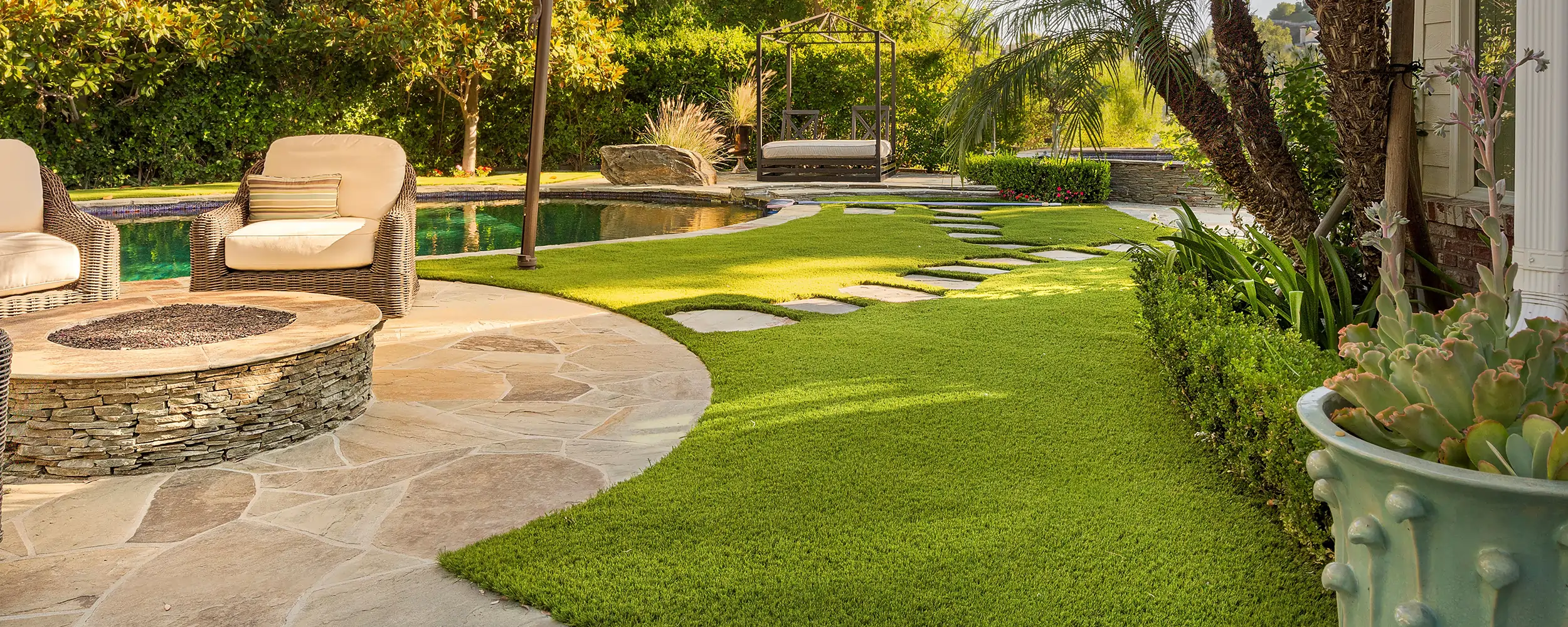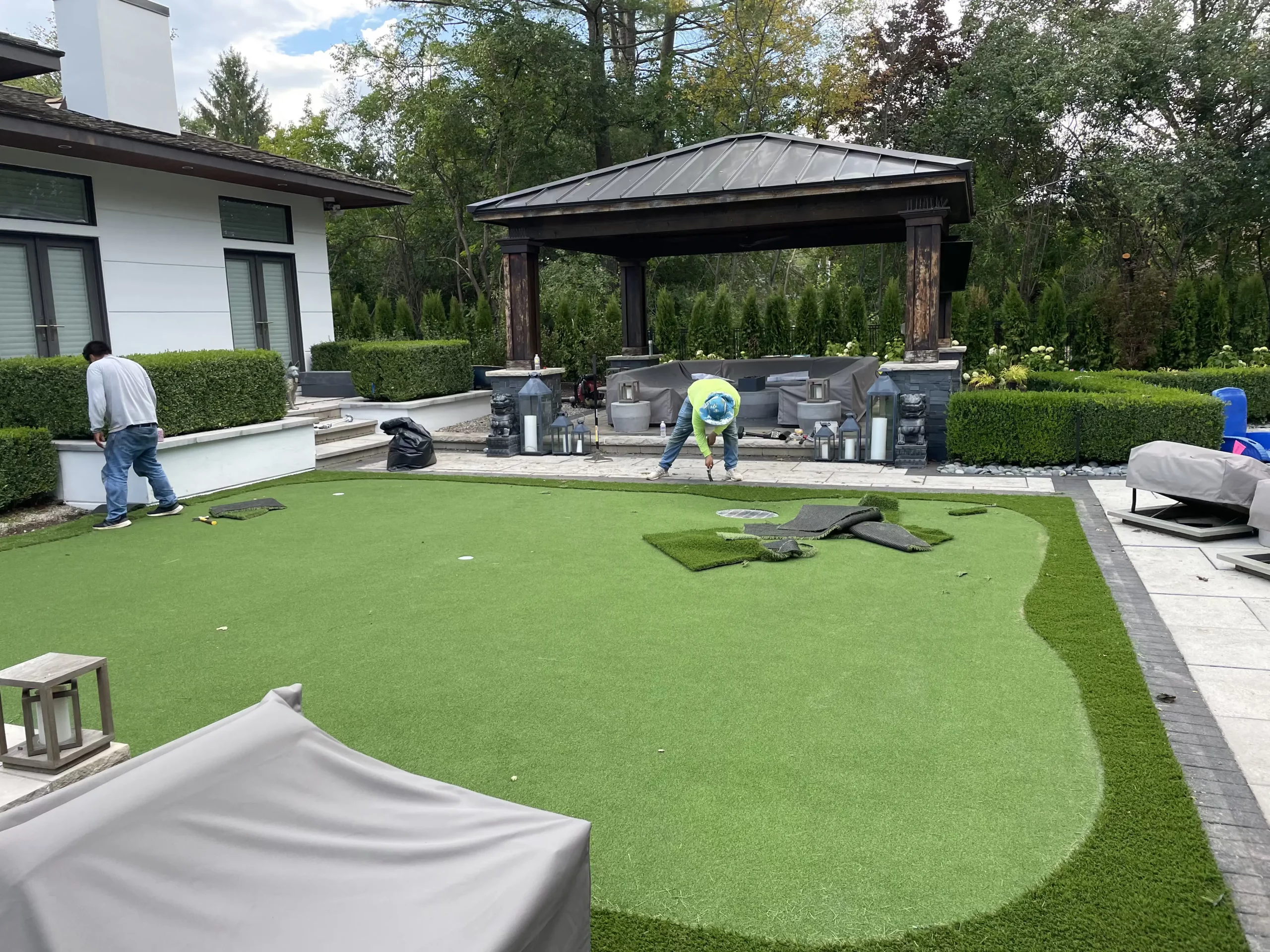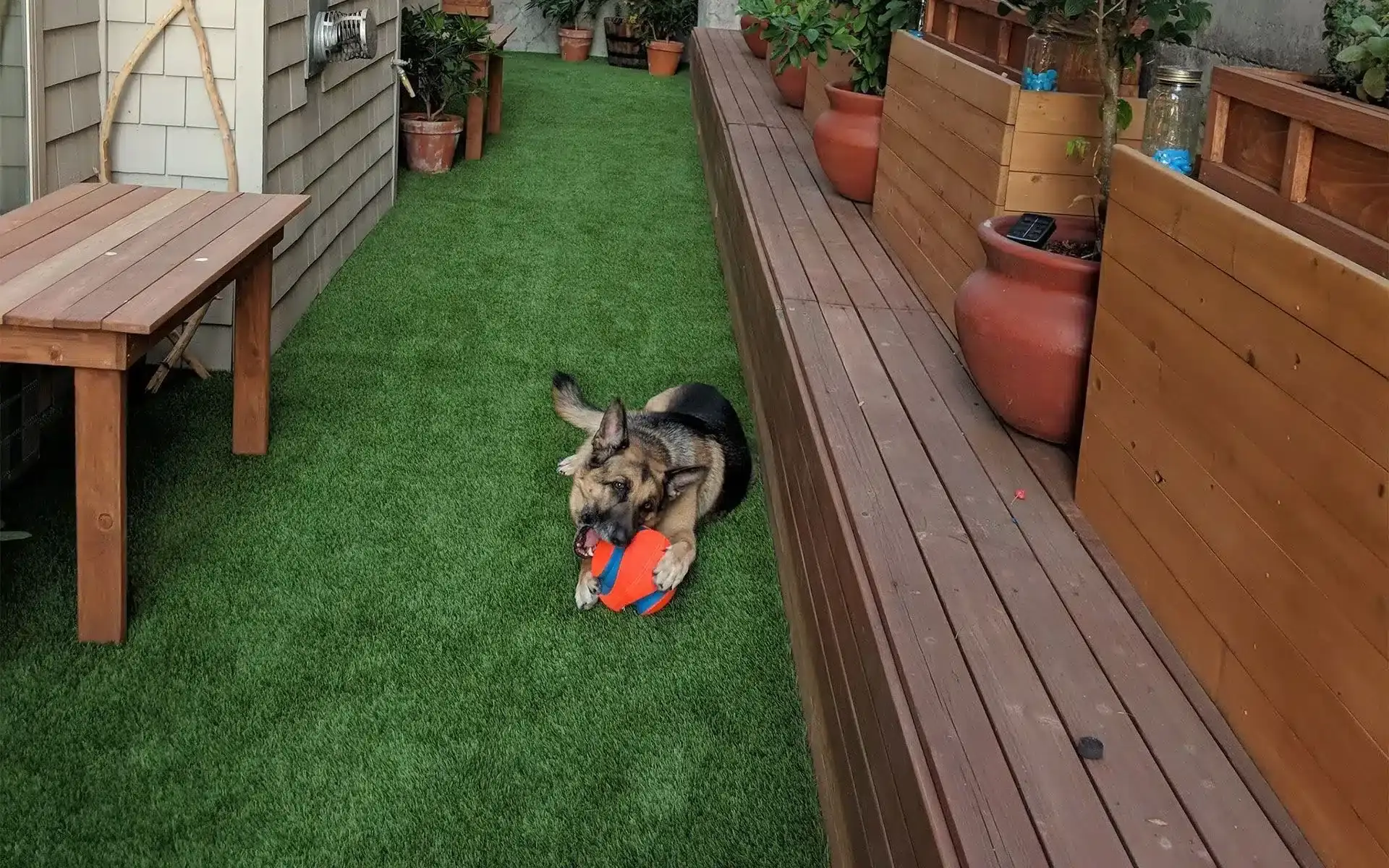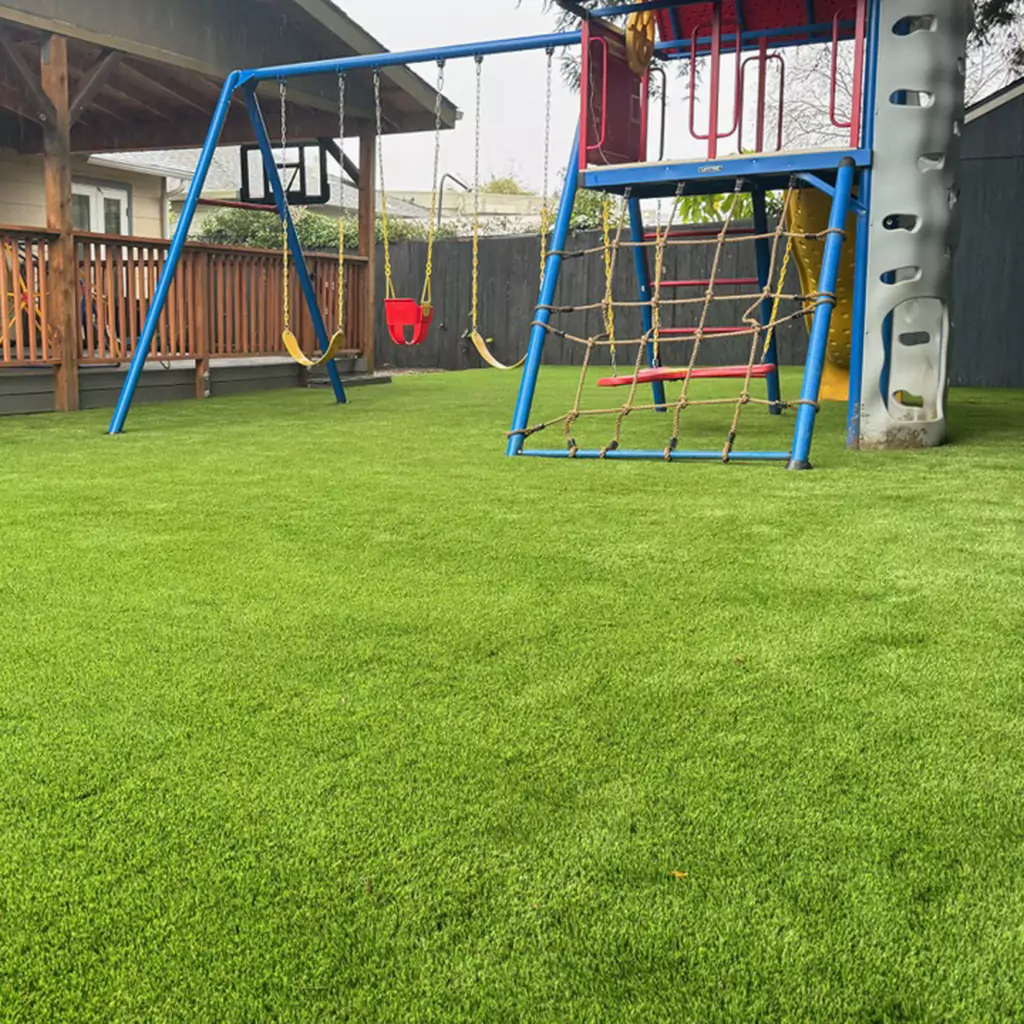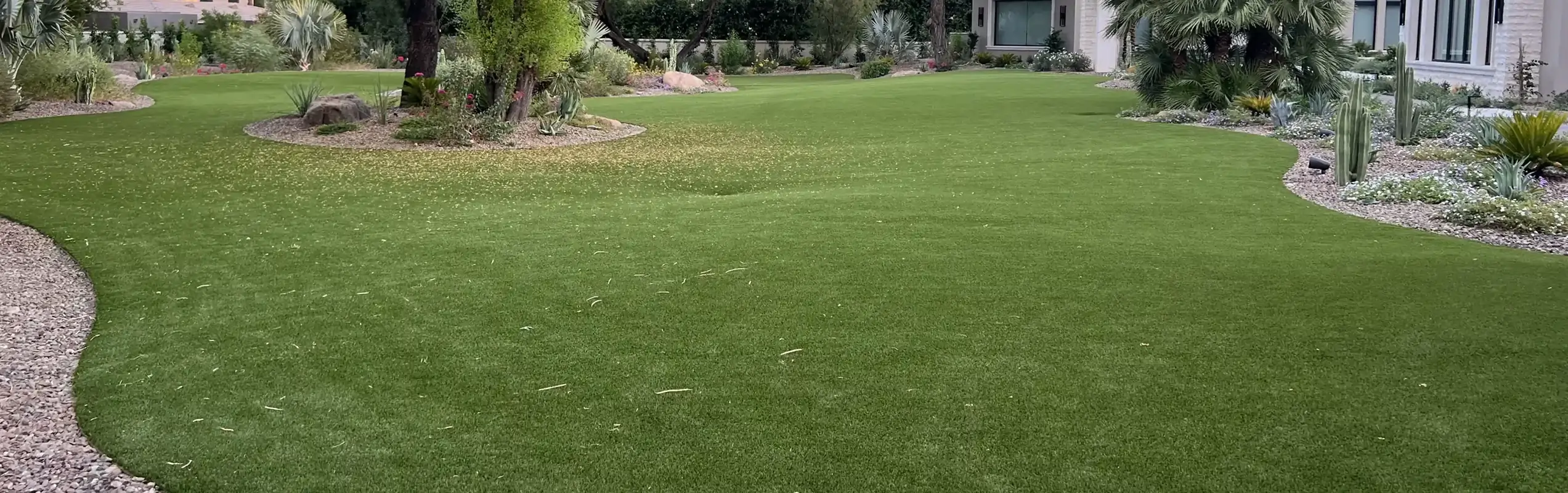
Commercial turf installation along the Houston Ship Channel corridor is different from a standard suburban install job. The properties here are HOA common areas in working-class neighborhoods with fixed assessment budgets, commercial frontage on industrial park service roads, and school district facilities that need athletic-grade products. We treat every commercial scope the way we ran industrial sandblasting projects: daily safety briefs, written schedules distributed before day one, material counts on paper, and a cost breakout you can actually read.
The business case for commercial turf conversion in this corridor is straightforward. HOA boards in Deer Park, Channelview, and Pasadena are paying landscape maintenance contractors a monthly rate on common areas that includes sod that deteriorates faster than in suburban Houston due to industrial fallout and the general working-class deferred maintenance pattern. The mowing contract renews every year at a higher rate. The sod gets replaced every 2 to 4 years on the hardest-hit properties. Converting to synthetic turf converts that recurring operating expense into a one-time capital cost that amortizes over 15 to 20 years.
Here's how we break it down for HOA boards: current annual landscape maintenance contract cost multiplied by 15 years, plus projected sod replacement costs over that period, versus the total capital cost of a synthetic turf conversion. On most Ship Channel corridor HOA common areas, the break-even is 4 to 7 years. After that, the converted common area is a zero-operating-cost landscape feature versus a perpetual cost center.
For commercial frontage properties — industrial park offices, refinery service company facilities, retail along Spencer Highway or Highway 225 — the driver is usually simpler. Irrigation systems in the industrial corridor require more maintenance than systems in suburban environments due to the particulate accumulation in emitters and the heat stress on control systems in outdoor enclosures. Replacing high-maintenance irrigation-dependent grass with synthetic turf eliminates the system dependency entirely.
We run commercial scopes with the same project management discipline we apply to industrial work. Every commercial job gets a pre-install schedule that lists every phase, every material delivery, and every handoff point. The client representative knows what's happening each day before the crew shows up. When a phase completes, we do a documented walk with the client before moving to the next phase. No surprises on install day. No scope surprises at invoice.